|
VELUX INSTALLERS, Fitters & Suppliers
Hertfordshire & Essex Roof Flashing Replacement
|

|
Welcome to our Velux and Roofing Services WebsiteVELUX Cabrio InstallersVELUX INSTALLERS FITTERS & SUPPLIERVELUX GLAZING REPAIRVelux Sun Tunnel InstallersVELUX Flat Roof Window InstallersVELUX Repairs and ServicingVelux Hallway LightingVelux Blinds Supplied and FittedLight Weight Roof SolutionsConservatory RoofingSlate RoofingGeneral Roofing RepairsGeneral Roofing RepairsFlat RoofingGuttering RepairFascia ReplacementChimney Stack RepairingGarage RoofingRoof FlashingsOutbuilding RoofingRoof Moss ClearingFull Contact Details
|
 Call:
07777 697723 Office: 01992 464131 Email: Andrew1Hooper@btinternet.com
We repair, replace and renew all types of roof flashings, the most common method of roof
flashing repairs now days is Lead, Lead flashings will protect abutments from water ingress but first and foremost the Lead
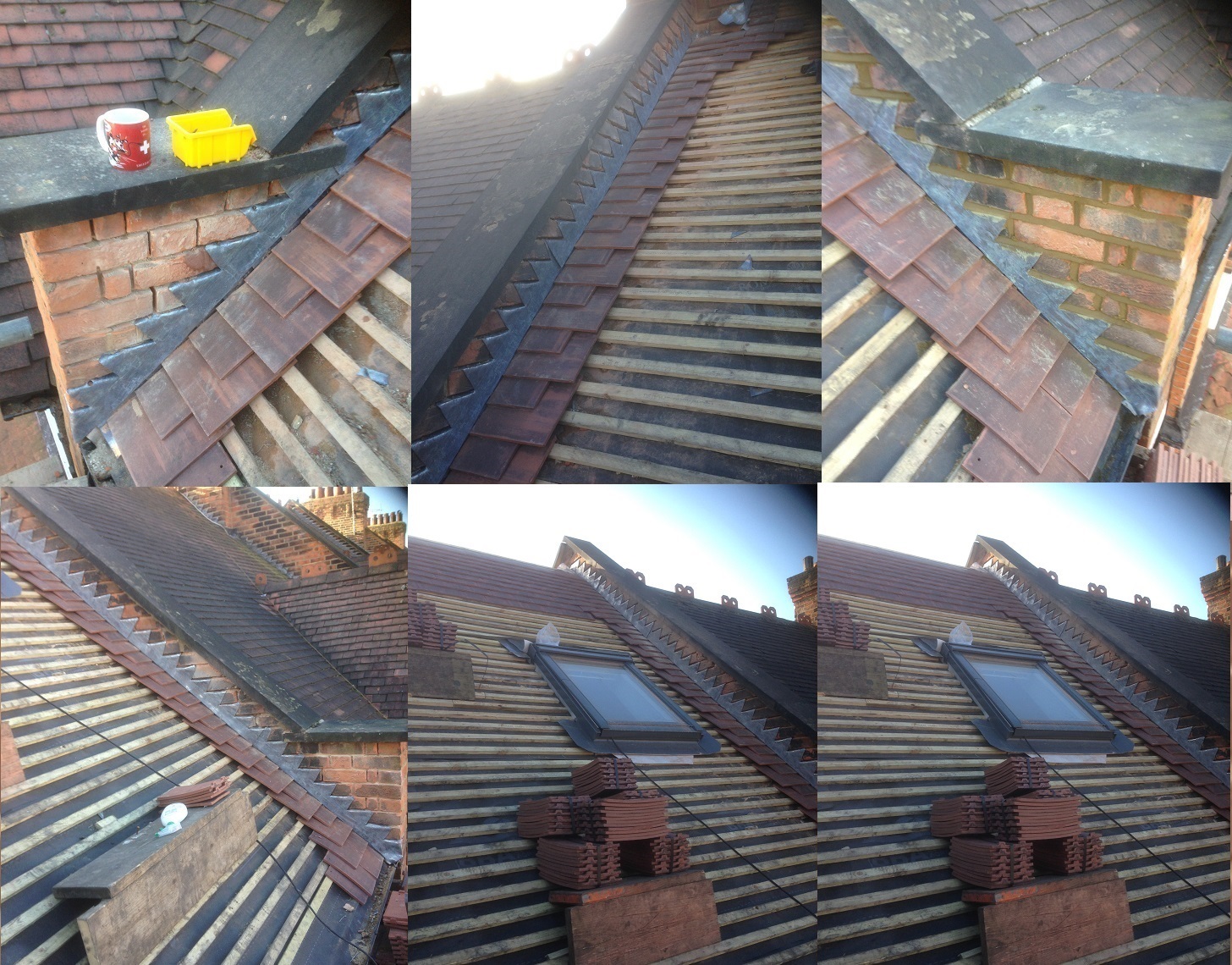
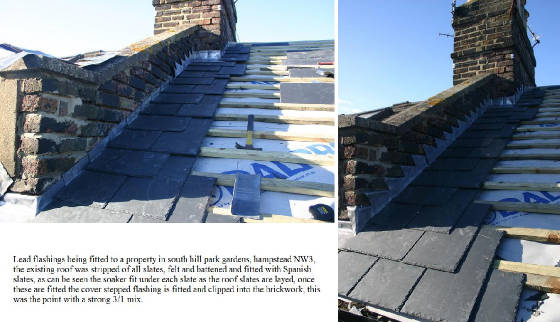
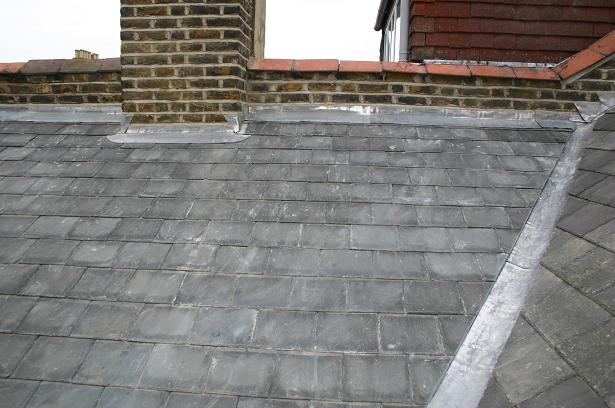
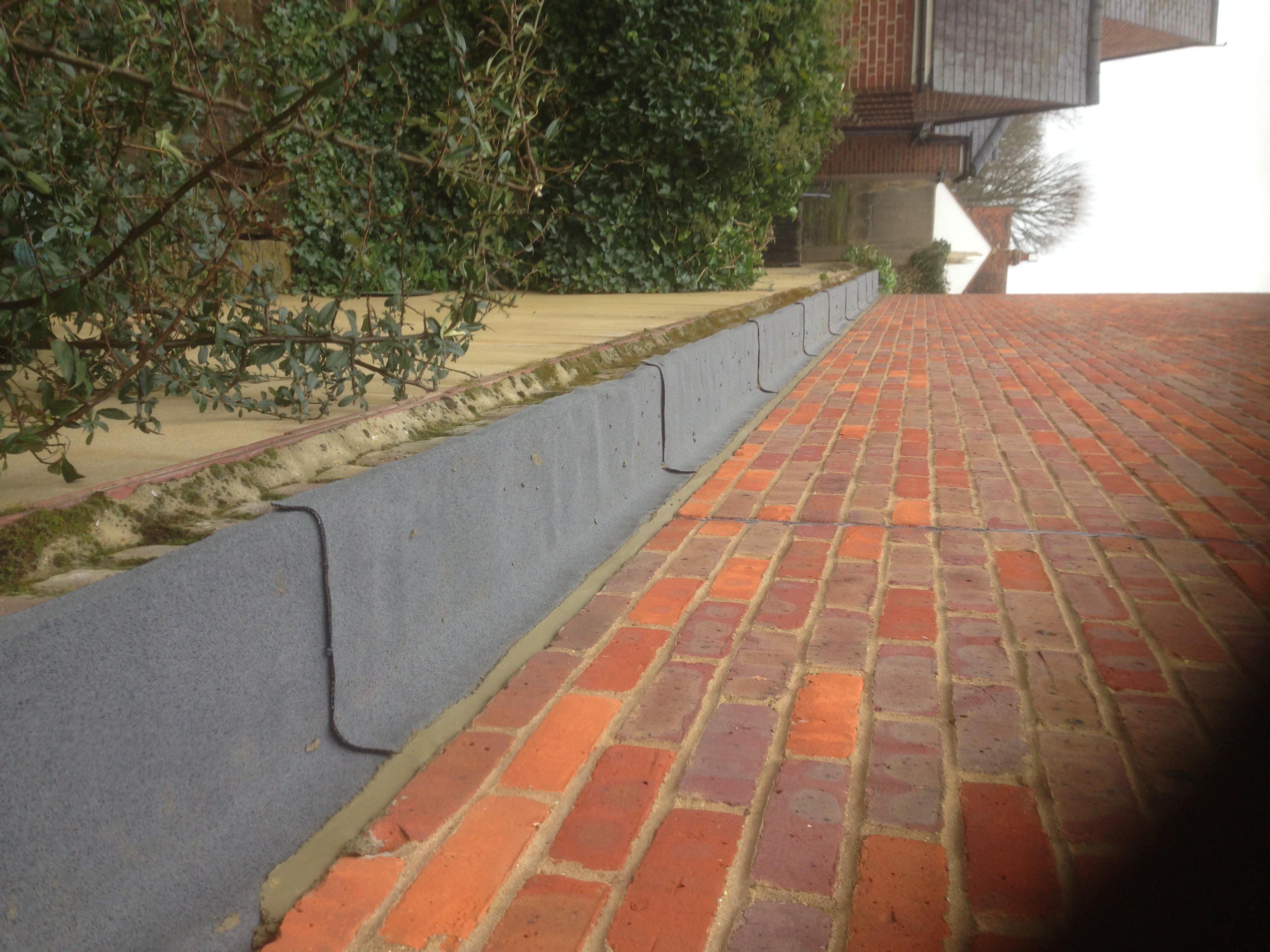
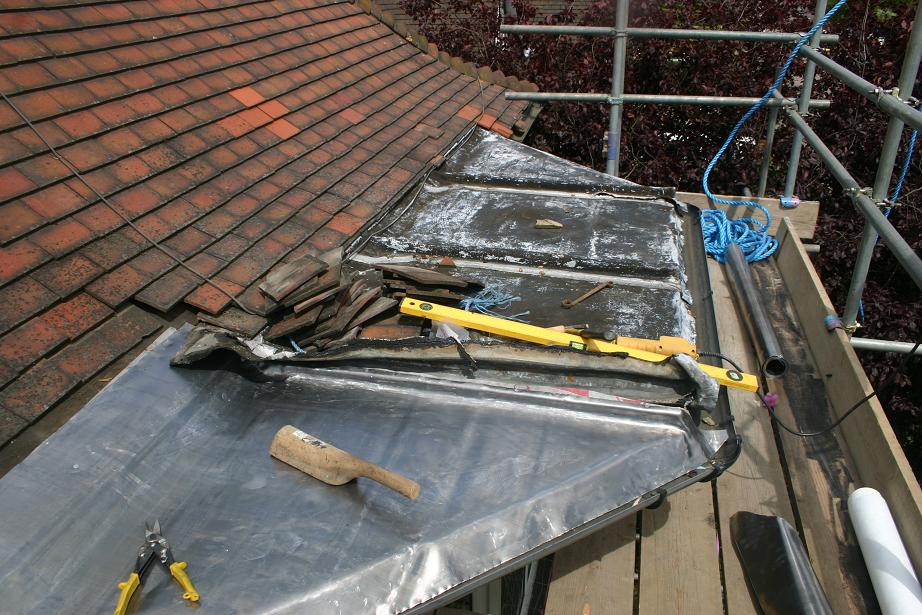
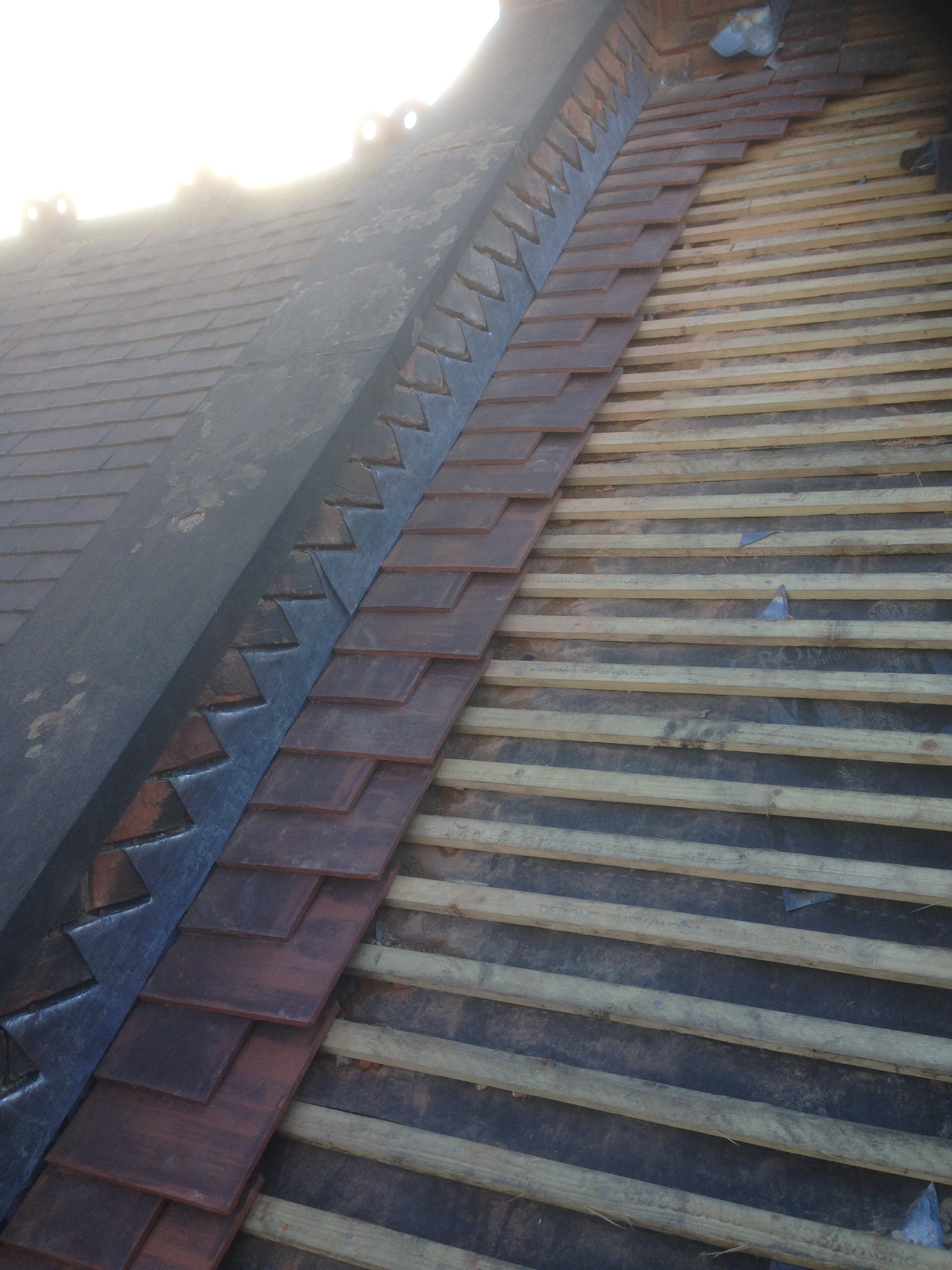
flashings must be correctly installed. Below are a few pictures selected from the Thousands of flashing repairs
we have carried out over our decades in business. Before Lead flashing were used it would have been common to use
cement fillets, this method was and still is fine on older listed properties from tudor times etc, the problem with this method came
in later years as heavy concrete tiles became more common and the load on the roof became greater causing movement which intern
pulled the fillet away from the wall allowing water in through wall abutments, often these have patched up
for a quick short term fix. The only long term repair how ever is to fix lead flashing to the wall which is more
often than not stepped lead flashings. The old cement fillets will need removing and tiles broken replaced with new,
all joints between brickwork will need to be chased out, code 4 Lead will be cut into Lengths to allow expansion and contraction
to prevent the Lead from splitting over time. Next is to cut and bend the upstands leaving a 100mm tile covering, this
Lead will now be placed ageing the brickwork marked and all steps cut out and bent to shape. The Lead flashing will
now be fixed into brickwork and dressed to shape. Pointing the Lead is the final job and we always use a strong 3/1 mix and
wet the chased out joint to prevent the mortar drying out to quickly which will compromise the pointing strength if this happens.
With all this carried out correctly our customers can be assured that there Lead flashing will last or outlast the roof, please
view roof and flashing pictures below and call or email if you require a free quote and advice on any roofing flashing
or any of the other services we offer.
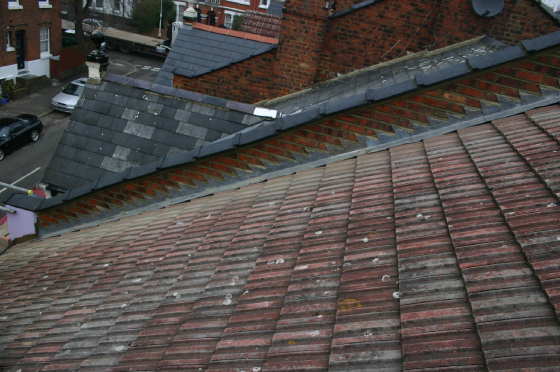
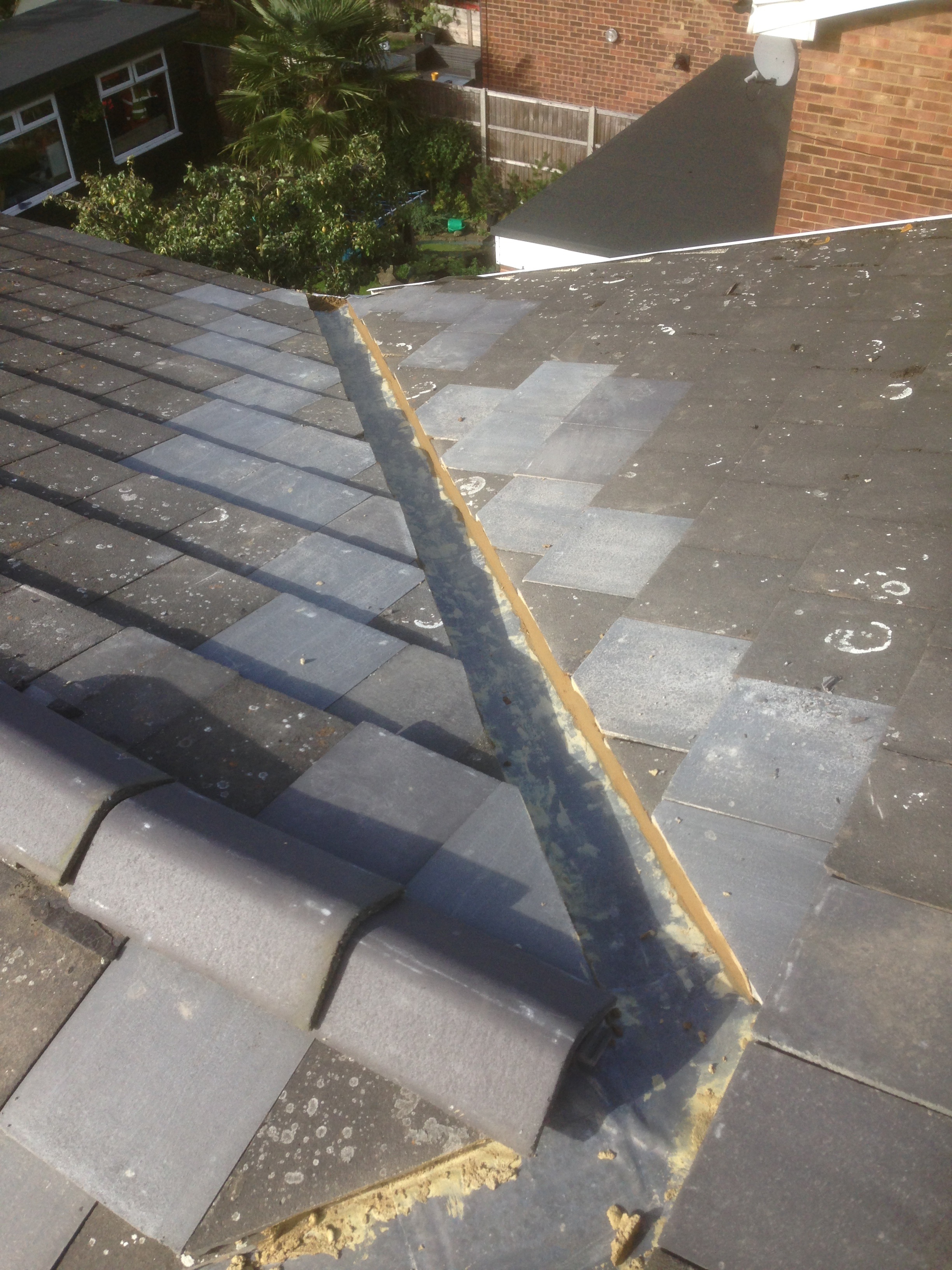
Roof Valleys: Roof valleys are another common problem with roof leaks, the roof valley
is a point where two roof slopes meet like a dorma or an angle in the building which could be an extension etc.
again roof valley's are made of many materials Lead, Zinc, Copper, Felt, Fibreglass and I'm sure many more.
The best quality roof valley is always thought to be Lead because of its long life and durrability but the main draw back
is cost and if there are lots of valley's to be installed like a building site Fibreglass or Zinc are often used.
I alway recommend to my customers when we are installing a new roof not to skimp on this area of the roof and go for
the Lead because being a colletive place the valley where water collects it can be a nasty problem if it leaks in the future
and needs replacing. Replacing roof valley's is more difficult with slate roof's as the slates are nailed and
we need to use a special tool to free the slates to get the old valley out and fit the new valley, once the new valley is
fitted the slates are re-fitted and clip in place. With tiled valley's the tiles can be lifted and the valley replacement
carried out, when the tiles are relays and cut to the valley if needed it will require cement to be pointed between the valley
and tile to seal the gap and again this should be a strong 3/1 mix.
LEAD FLAT ROOF: Many bay roofs, small dorma's and gutter
valleys us Lead, mainly these roofs are on public building or are listed, due to the expense many private properties opted
for the more cost effective and practical option of high performance felts, Lead roofs will give a very long life span
but has to be weighed up against the cost etc.
Roof flashings are one of the main causes of roof leaks, the job of roof flashings are
to form a sealed bridge between two abutments ie Roof and Wall, this can be parapits walls, dormas, roof window, flat roofs,
chimney stacks and many more. One of the most common cause of a roof leaks is when these flashings break down which
can be caused by many factors. With high metal prices the theft of Lead flashings has become common place, with alternative Lead the fact that the materials used have no scrap value make it very practical for places of easy access, often the value of the lead is not the problem to the property owner but the damage it causes and the labour replacement costs are. Alternative Lead is not cheaper at the outset than real Lead flashings but give that is has no scrap value it has no attraction to the would be theft making it a very attractive viable option for Lead flashing replacements and renewals. The alternative Lead acts and works in the same way conventional lead flashings work and can be installed in the same time giving the same appearance as lead roof flashing, it can be cut for stepped and straight flashings just the same as lead flashings and can be used for all flashing repairs.
Today with sky high metal prices Lead theft has become very popular, although
it is imposible to completely protect against this type of theft it can be made more difficult with certain measures,
below is The Campus Church in Welwyn Garden City that was the target of Lead theft durring the summer where the Lead flashings
where taken from the dormas.
|
Working With You For You

- Roofing materials
- Roofing contractors
- Roofing installation
- Roof repair
- Roofing companies
- Roofing shingles
- Metal roofing
- Roofing cost estimator
- Roofing types
- Roofing supplies
- Roofing contractors near me
- Residential roofing
- Commercial roofing
- Roofing warranty
- Roofing ventilation
- Roofing maintenance
- Green roofing
- Roofing safety
- Roofing insulation
- DIY roofing
Roofing materials
Roofing contractors
Roofing installation
Roof repair
Roofing companies
Roofing
shingles
Metal roofing
Roofing cost estimator
Roofing types
Roofing supplies
Roofing contractors
near me
Residential roofing
Commercial roofing
Roofing warranty
Roofing ventilation
Roofing maintenance
Green roofing
Roofing safety
Roofing insulation
DIY roofing
User
key words for roof repair
ChatGPT
Here are some key words for roof repair:
Roof leak repair
Roof patching
Roofing inspection
Roof flashing
repair
Roof shingle replacement
Roof maintenance
Roofing contractor for repairs
Emergency roof repair
Flat roof repair
Roof damage assessment
Roofing repair cost
Roofing repair services
Fixing roof leaks
Roofing repair company
Roofing repair DIY
Temporary roof repair
Roof repair materials
Roofing repair
estimates
Residential roof repair
Commercial roof repair
Gutter repair
Gutter maintenance
Gutter replacement
Gutter cleaning
Downspout repair
Gutter inspection
Gutter leak repair
Gutter guards installation
Seamless gutter repair
DIY gutter repair
Gutter repair
cost
Roof gutter repair
Copper gutter repair
Aluminum gutter repair
PVC gutter repair
Gutter joint
repair
Gutter bracket repair
Gutter sealant
Gutter flashing repair
Professional gutter repair
"How to"
"Best"
"Top"
"Reviews"
"Near me"
"Cheap"
"Free"
"DIY"
"Tutorial"
"Guide"
"Benefits of"
"Pros
and cons"
"Comparison"
"Price comparison"
"For sale"
"Discount"
"Coupon"
"Online"
"Local"
"New"
"Used"
"Official
website"
"Customer service"
"Contact"
"Support"
AL1 - St Albans
AL2 - St Albans, Bricket Wood, Frogmore
AL3 - St Albans, Childwickbury, Flamstead, Gorhambury, Markyate,
Porters Wood, Redbourn
AL4 - St Albans, Colney Heath, London Colney, Jersey Farm, Marshalswick, Oaklands, Sandridge
AL5 - Harpenden, Batford, Hatching Green, Kinsbourne Green
AL6 - Welwyn, Ayot St Peter, Ayot St Lawrence, Digswell,
Datchworth, Tewin
AL7 - Welwyn Garden City, Panshanger
AL8 - Welwyn Garden City, Lemsford
AL9 - Hatfield, Brookmans
Park, Essendon, North Mymms
AL10 - Hatfield, Bell Bar, Brookmans Park, Essendon, Little Heath
St Albans
Watford
Hemel Hempstead
Stevenage
Hertford
Welwyn Garden City
Cheshunt
Bishop's
Stortford
Hitchin
Hoddesdon
Letchworth Garden City
Harpenden
Hatfield
Berkhamsted
Borehamwood
Rickmansworth
Potters Bar
Ware
Bushey
Royston
Chelmsford
Basildon
Southend-on-Sea
Colchester
Harlow
Brentwood
Clacton-on-Sea
Braintree
Rayleigh
Maldon
Witham
Billericay
Wickford
Harwich
Grays
Epping
Saffron Walden
South Woodham Ferrers
Stanford-le-Hope
Tilbury
Camden Town
Hampstead
Islington
Highgate
Finchley
Muswell Hill
Crouch End
Enfield
Barnet
Tottenham
Edmonton
Walthamstow
Wood Green
Southgate
Palmers Green
Finsbury Park
Haringey
Stoke Newington
Hornsey
Archway